Scaling a lot management tool to power Ikon's growth.
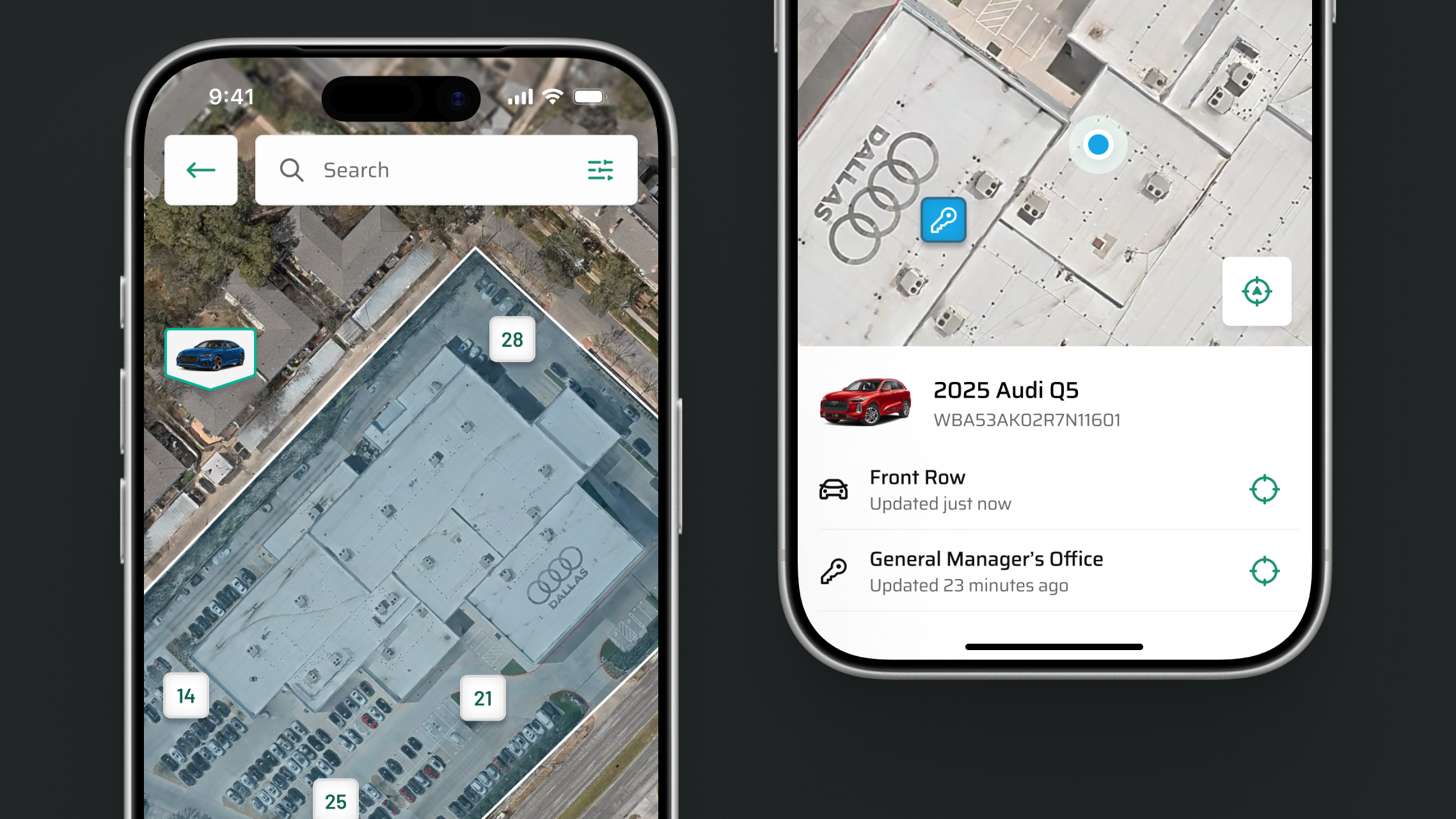
At Ikon Technologies, I worked at the intersection of hardware, software, and dealership operations. Ikon builds the tech that helps dealers see their inventory in real time, tracking every car, every key, and every movement, while also powering theft recovery and a consumer add-on product.
Company
Ikon Technologies
Industry
Automotive Retail
Timeline
July 2023 - Present
Throughout my time at Ikon Technologies I have held a few different roles: including product designer leading 0→1 work and later as a PM hybrid wearing multiple hats. To illustrate this, I am foregoing a typical case study format and instead opting to illustrate a timeline of the most impactful initiatives I led: how I modernized new UI workflows, untangled legacy systems, improved data trust, and laid the foundation for a scalable ecosystem.
Overview
I joined Ikon Technologies to lead end-to-end 0→1 designs for their B2B dealer-facing product vertical called Toolbox.
Mandate
Ikon Technologies' obsolete inventory management system was barely meeting the basic needs of its users at the car dealership, leaving them frustrated and overly reliant on customer support to perform basic operations. This situation prompted many challenging conversations around user experience. We wanted the new Toolbox to not only address the current pain points but also to enhance the overall dealership experience. Our key business goals were to
My Contribution
I was the sole designer on this team, I led the product end-to-end from discovery and early concepts through interaction/visual design, dev-handoff, QA testing, iterative refinements, and supporting the final launch and GTM effort.
Team
Me, Jordan Detota (Director of Product Design), Eduard Sindiukov (Product Manager), 15+ Software Engineers
Timeline
September 2023 - August 2024
Below are a few final shipped features that had outsized impact on how dealers used Toolbox. These were the high-leverage moments inside the product that accelerated adoption, reduced friction, unlocked value for both dealers and consumers, and influenced how the company positioned, sold, and scaled the platform.
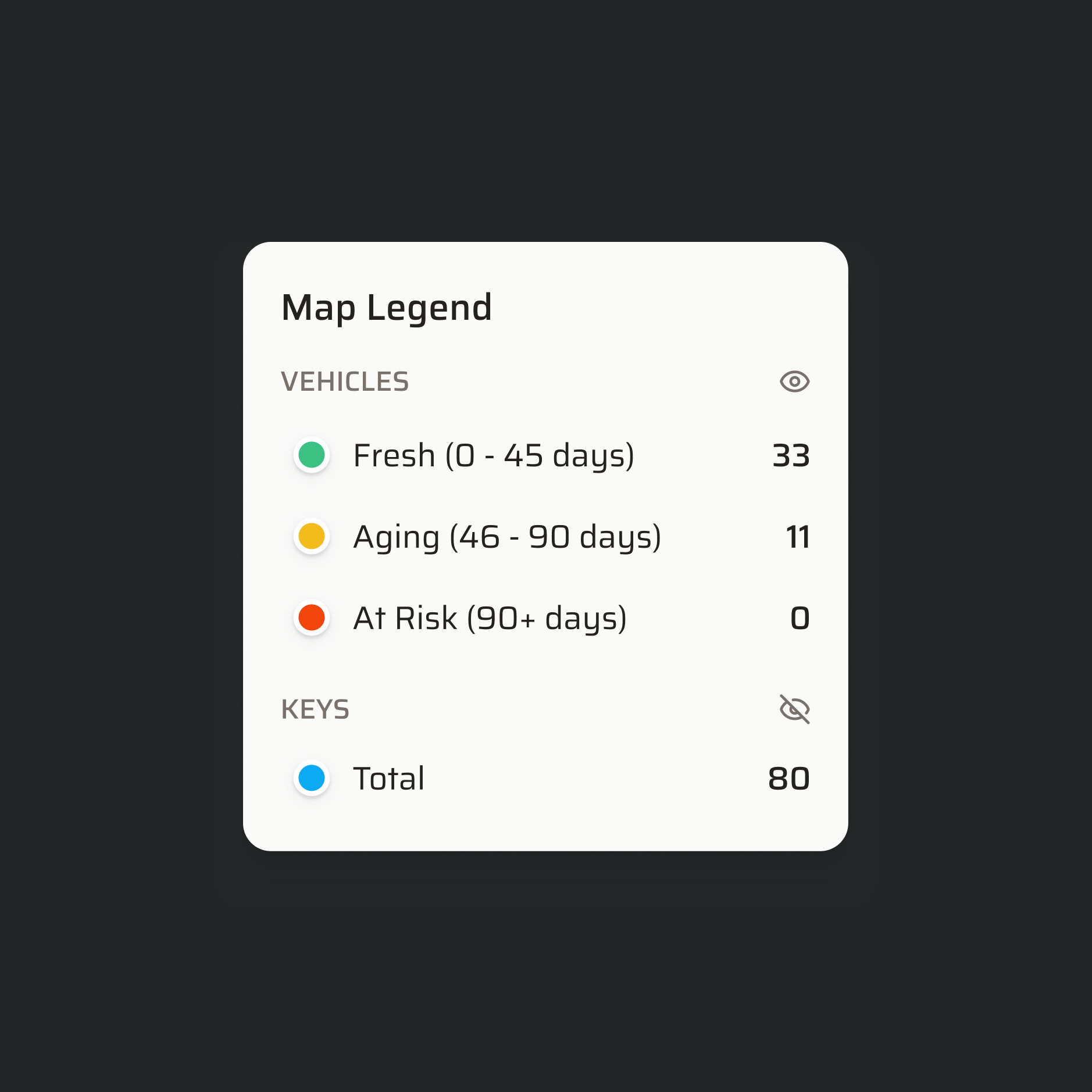
Lot Age Configurations
Giving dealers a clear way to prioritize which vehicles to sell first.
Configurations widget to let user set custom values for lot age ranges.
Problem
Dealers didn’t have a clear, customizable signal for which vehicles needed action first. Fixed aging thresholds treated every car the same, even though every dealer operates differently. And the longer a car sits, the more it costs in holding cost and lost margin, forcing dealers to rely on gut feel instead of data, leading to slower turn and missed revenue.
Solution
I enabled dealers to set their own aging thresholds based on how their lot actually operates, not a one-size-fits-all rule. Dealers could define what “aging risk” meant for their market, turning aging tiers from a static indicator into an adjustable lever they could use for acquisition, pricing, and inventory strategy. This made aging not just a visualization — but a strategic control that actually changed dealer behaviour.
Impact
Accelerated dealer decision-making and improved focus on high-risk aging vehicles. Instead of reactive browsing, sales teams shifted toward proactive prioritization — reducing stale inventory exposure and protecting margin by selling units faster.
Industry context: even a 5–10 day improvement in turn can protect $300–$700 per vehicle in margin.
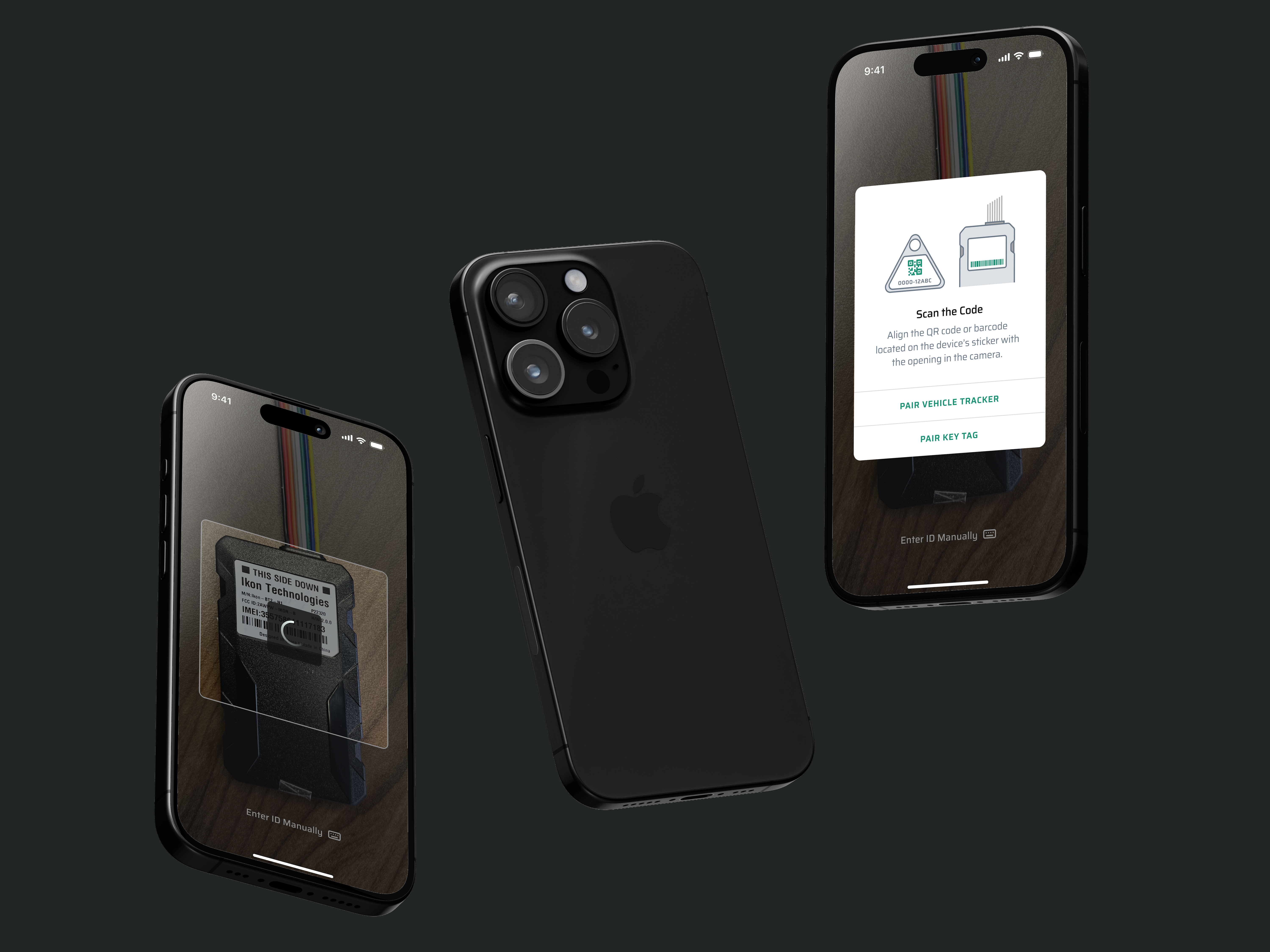
Mobile Device Pairing
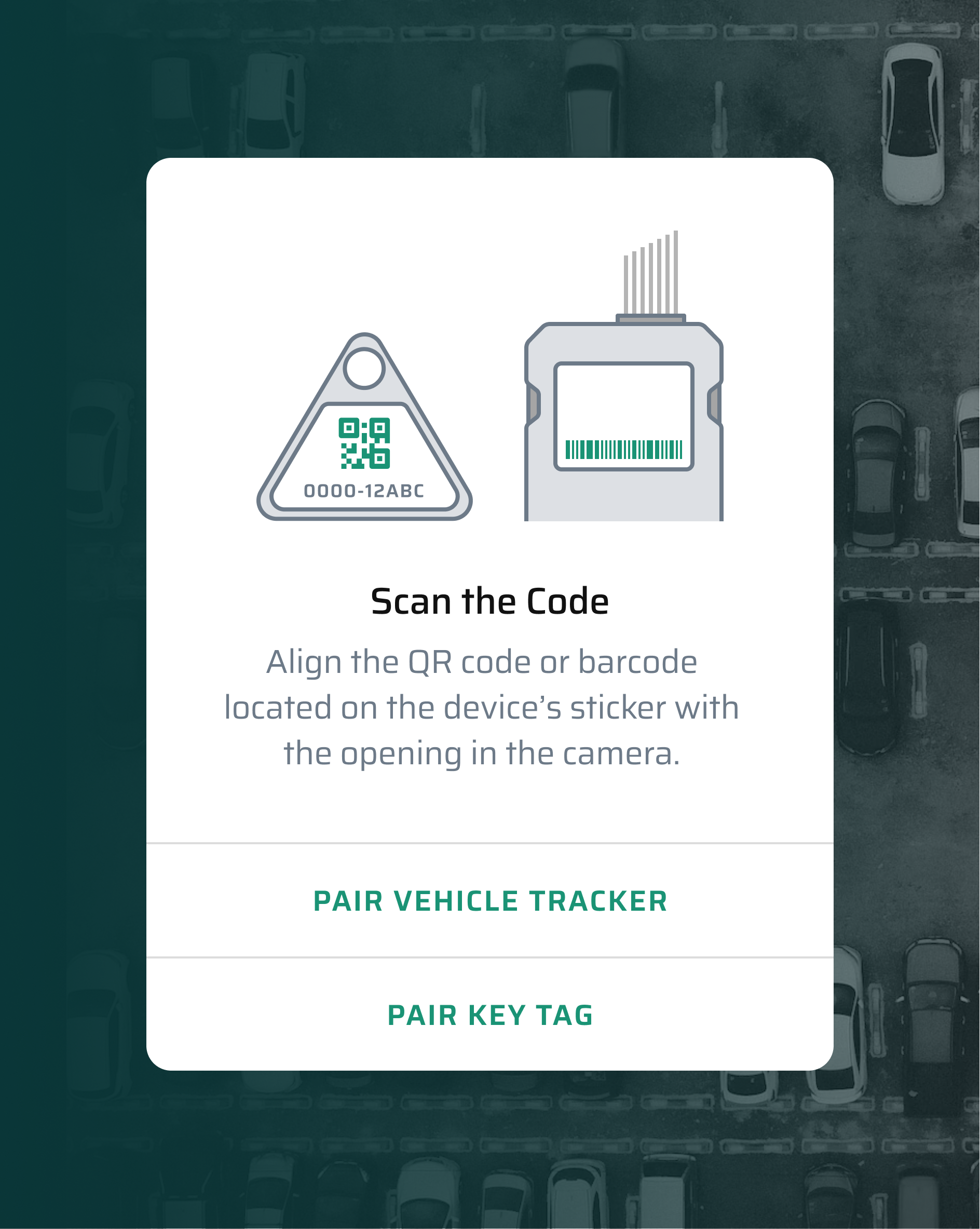
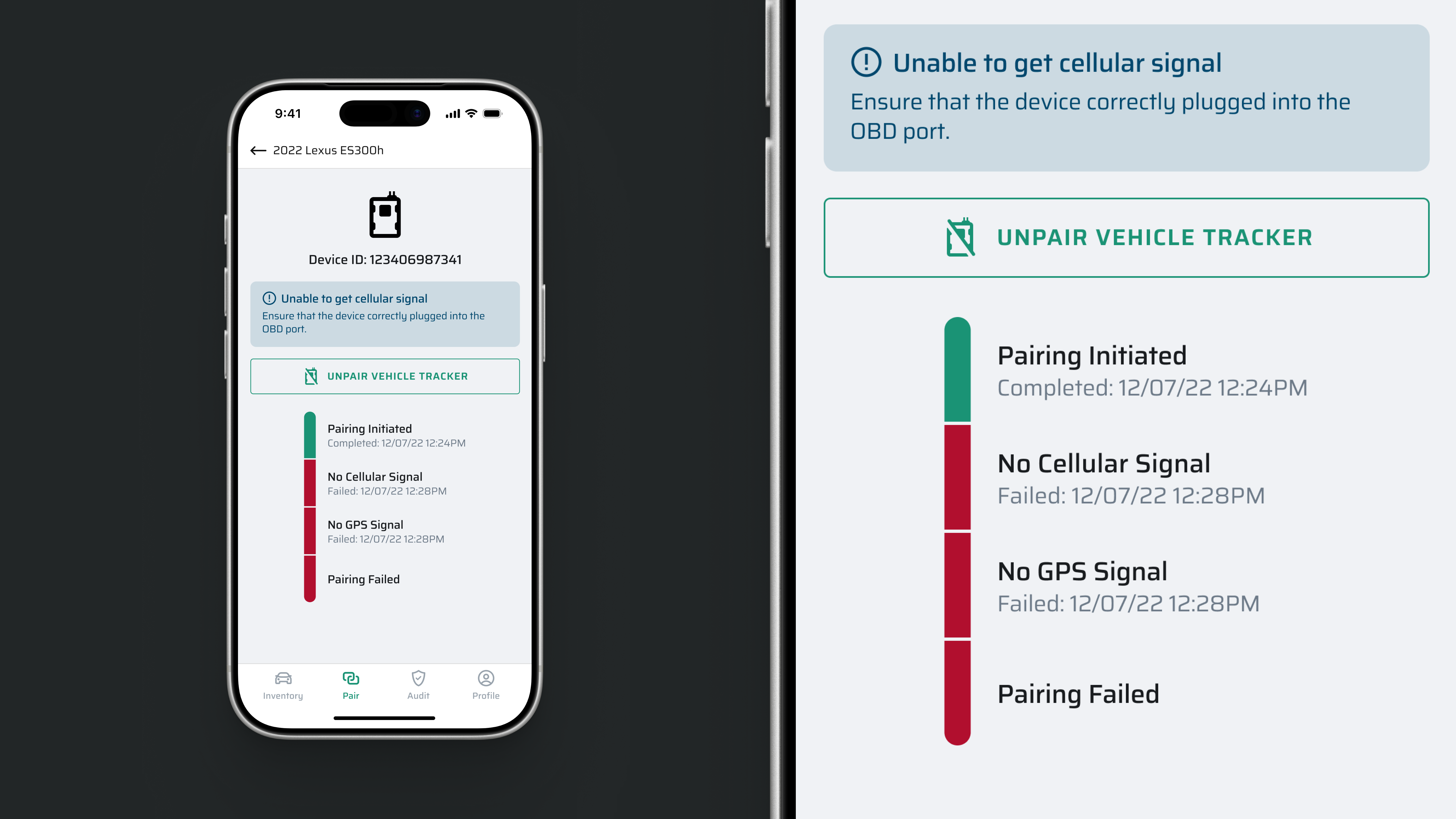
Making the pairing process reliable and frustration-free to prevent returning perfectly good hardware.
From L to R: pairing page, scanning flow modal, vehicle pairing details, device pairing status.
Problem
Dealers frequently struggled to successfully pair GPS devices from their phone because the app gave no real feedback on what to do, how to hold the device, or why pairing was failing. When pairing didn’t work, dealers assumed the device was defective — leading to unnecessary RMA returns, wasted ops time, frustrated users, and increased cost.
Solution
I introduced guided pairing feedback with step-by-step troubleshooting tips inside the flow (ex: instructing installers to hold the device at a 90° angle). I partnered with Operations to align messaging, documentation, and user training so the guidance was consistent across product + support. The pairing flow stopped being a black box and started functioning like a guided, supportive interaction.
Impact
Reduced unnecessary RMA returns by an estimated 25–35%, as dealers were able to successfully pair devices on the first attempt instead of assuming they were defective. This prevented perfectly working hardware from being shipped back, saving ~$20–$25 per avoided RMA on ops + logistics cost. At scale, this created material yearly savings and increased trust in the platform’s reliability.
Share Vehicle Brochure
Helping salespeople share vehicle details instantly and convert more buyer.
Share vehicle brochure page. Click to expand.
Problem
Salespeople had no simple way to share vehicle details with interested buyers once they walked off the lot. Everything relied on memory, screenshots, or external tools — creating friction in follow-up and weakening buyer momentum.
Solution
I designed a one-tap “Vehicle Brochure” action inside Toolbox. Salespeople can enter a customer’s phone number or email directly in the flow and instantly send them a link to full vehicle details.
Impact
This shifted Toolbox from a passive lot management tool into an active sales enablement lever. Brochures became a new default step in follow-up — making post-visit conversations easier, more professional, and faster to close. It turned a one-time lot interaction into an ongoing dialogue that kept buyers warm and increased conversion likelihood.
Penetration Rate Widget
Increasing penetration rates by gamifying the metric and motivating dealers to actively work toward their targets.
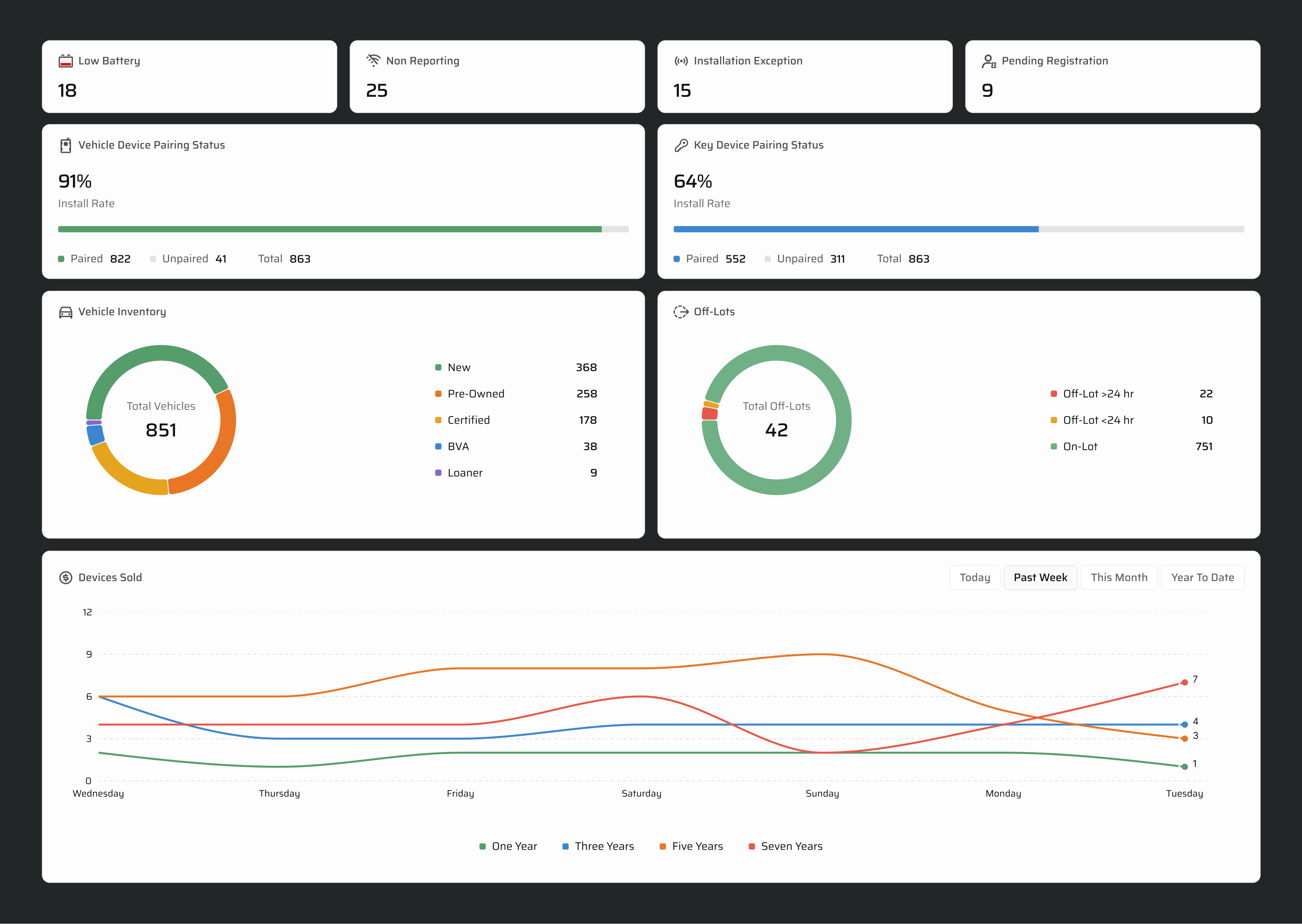
Penetration rate dashboard widget. Click to expand.
Problem
Dealers lacked visibility into their penetration rate — the percentage of vehicles on their lot that actually had devices installed. Without knowing where they stood or what target to aim for, they weren’t motivated to increase it. This mismatch left value on the table, because they didn’t see the connection between increasing penetration and improving outcomes for their store.
Solution
I added a dedicated penetration rate widget to the dashboard that visualized their current rate, their next discount tier, and how far they were from hitting it. This turned an abstract ratio into an actionable target. Dealers could now see exactly how many installs they needed to reach the next tier and how much money they would save by getting there.
Impact
By making penetration goals visible and trackable, we shifted behavior. Dealers started actively working toward their targets instead of passively installing devices. As installs increased, dealers improved protection, saved more per device, and unlocked better store economics — while we increased total device volume and revenue.
Mayank always impressed me with his drive to improve not only himself but the people, teams, products, and processes around them. There are few I’ve worked with that have as much dedication to the craft as Mayank has.
Jordan Detota, Director of Product Design
Impact
Toolbox pre-launch drove a 33% surge in dealership customers.
Toolbox was showcased at the 2025 NADA automotive tradeshow in New Orleans, securing dozens of new dealer sign ups.
The Shift
Together, these features represent a fraction of the 0→1 work that went into Toolbox, but they capture the broader story — transforming it from a basic lot-management tool into a platform that helps dealers act faster, sell smarter, and operate more efficiently. From improving visibility and decision-making to reducing friction and unlocking new sales behaviors, each piece reinforced the product’s strategic shift toward measurable business impact and long-term adoption.
What This Unlocked
This shift translated into real commercial lift. Pre-launch drove a 33% surge in dealership customers and secured 139 new dealerships before public release, validating adoption and business demand ahead of launch.
Below are some of the high-impact strategic initiatives I led, grounded in deep institutional knowledge of our product, business, and industry built over time. These efforts required breaking down complexity, driving cross-functional clarity, and making decisions that shaped direction far beyond the traditional boundaries of design, reflecting how my role evolved into org-level product strategy and cross-functional problem solving.
Product Analytics
Defining product success with a HEART-driven framework and aligned teams on measurable outcomes.
Success metrics sheet. Click to expand.
Context
As we prepared for launch, there was no unified agreement on what success meant or which signals mattered most. Sales, ops, leadership, and product each prioritized different metrics — creating misalignment and making it unclear what we should track, monitor, and improve once Toolbox was live. We needed one consistent measurement framework before launch so we could objectively track product health and impact.
My Role & Approach
I collaborated with a Senior PM to define how we measure product success before launching. We aligned on the HEART model (inspired by Google) as the north star for how we evaluate product health. I then mapped every major workflow (mobile + web) into measurable touchpoints in Google Sheets and collaborated with engineering to instrument these events in Heap, Smartlook, and Google Analytics — ensuring we captured both quantitative behavior and qualitative context.
Outcome
This created a consistent, shared foundation for product analytics across teams. We now had one agreed-upon way to measure health, track improvements over time, and make decisions based on signal instead of assumption. This set the groundwork for how Toolbox would grow, scale, and evaluate success going forward.
Service Blueprint
Driving operational impact by establishing the single source of truth behind Ikon’s internal tools ecosystem.
Click here to view end-to-end device lifecycle process map. Password: ikon123
Context
Our internal operations across warehouse, accounting, field ops, and hardware were disconnected across tools, tribal knowledge, and manual workflows — making it hard to scale deployments, align teams, and understand where bottlenecks actually were.
My Role & Approach
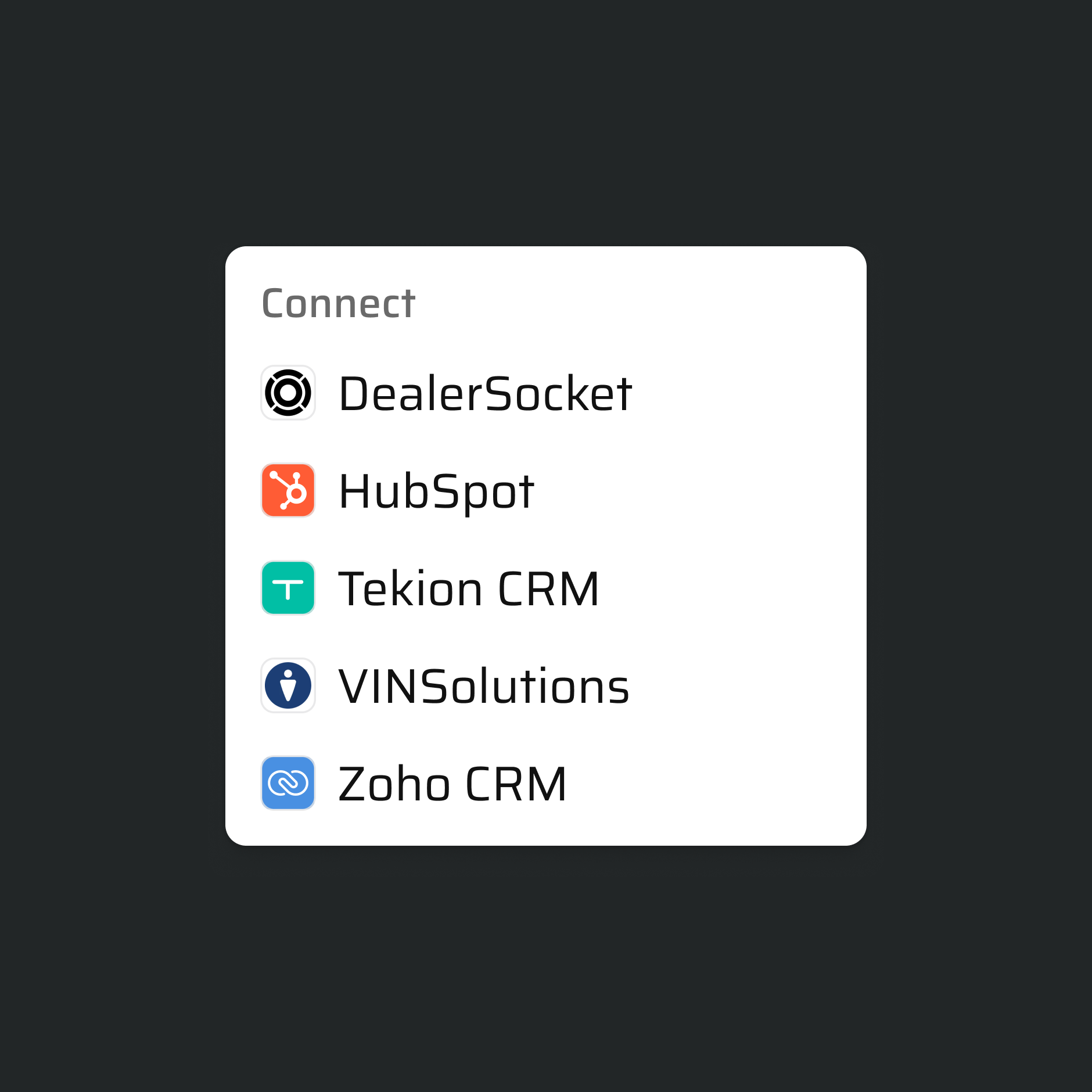
I led cross-functional discovery with leadership and operations teams to map the end-to-end lifecycle of a device — from manufacturing to warehouse, to dealership, and ultimately activation. I collaborated with another PM to define the business rules and workflow systems map, along with the data flow across HubSpot → NetSuite → Zoho. This became the single source of truth for how decisions and informations actually moved across the systems.
Outcome
My work gave the organization a single operational source of truth, which the NetSuite consultants used directly to kick off the warehouse management system project, saving billable discovery time and avoiding rework. It also enabled C-Suite and Ops also to update warehouse SOPs based on real workflows instead of assumptions, creating company-wide alignment and operational clarity.
Data Dictionary
Creating a unified data dictionary to power future product expansion and eliminate cross-team ambiguity.
Data dictionary catalogue with internal and external data.
Context
We wanted to extend smarter features for dealers (customer intelligence, richer vehicle context, Smart Marketing, etc.) — but we didn’t actually have a single source of truth on what data we already had, what existed in external integrations, or what each department used day-to-day. Different teams owned different data, had different definitions, and there was no clarity on what data was usable, contractually available, or valuable.
My Role & Approach
I partnered with our data analyst and business intelligence (BI) analyst team to interview every major department in the company to understand data sources, dependencies, pain points, and usage. Together we created a unified data dictionary + data flow map that cataloged internal, first-party, and third-party data, and aligned definitions across teams — making it clear what data exists, what is accessible, and what future features could leverage.
Outcome
This work eliminated data ambiguity, created a shared understanding of our data capabilities, and gave the product team a clear foundation to prioritize which new features we could actually ship next. It also drove meaningful cost reduction — we discovered we were paying for the same data to multiple vendors, and by consolidating sources we reduced our monthly spend by roughly $6,000. Beyond clarity, this directly improved the business model and made future roadmap decisions faster, cleaner, and financially grounded.
I was recognized for my proactivity and was asked to lead our AI/ML agentic outreach initiative.
AI/ML Integration
Optimized service appointment scheduling with agentic outreach and increased booking efficiency.
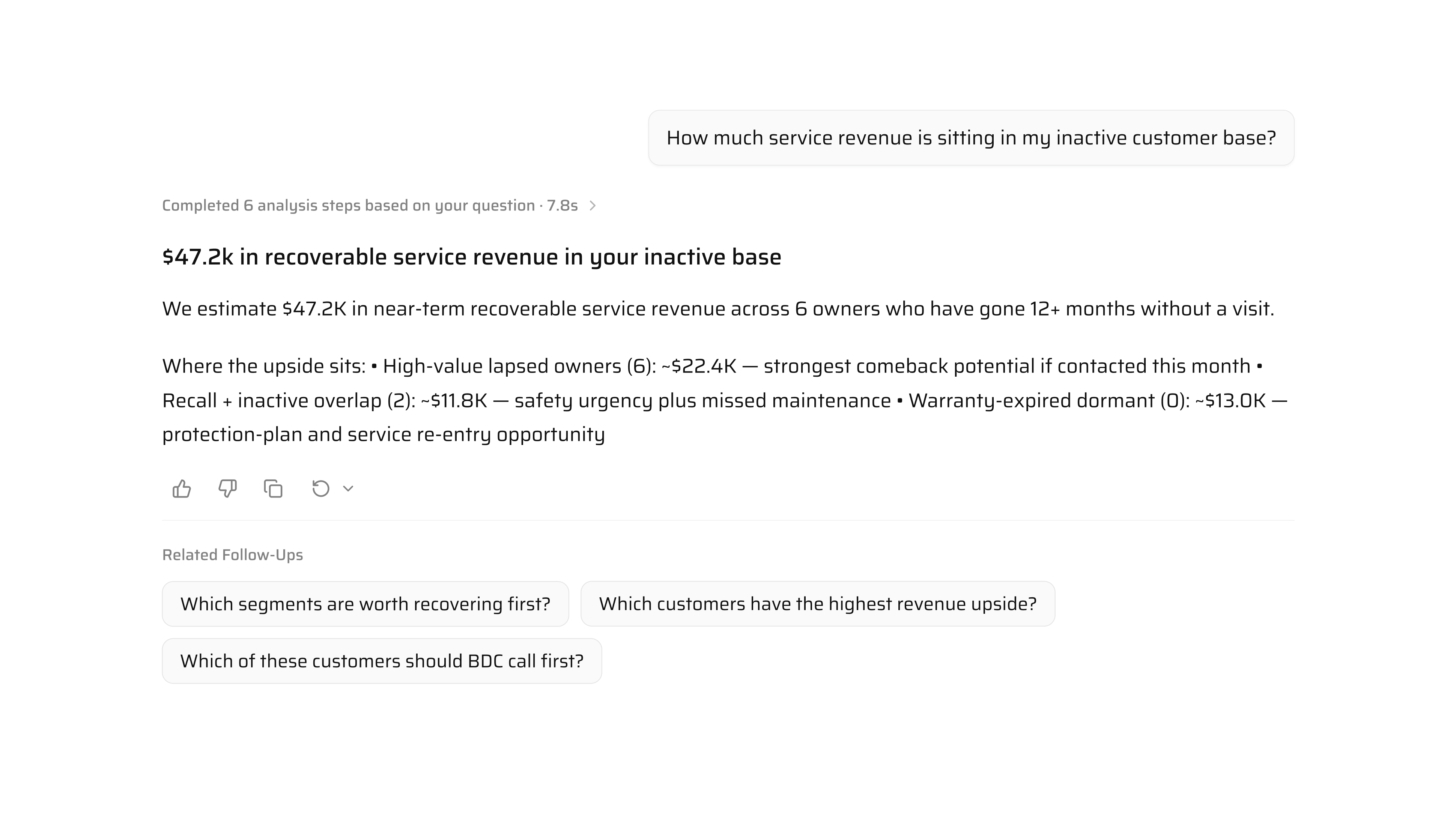
Agentic outreach for service-scheduling using Stella AI.
Problem
Dealerships need to re-engage customers when their vehicles are due for routine maintenance so they can drive repeat revenue. But this outreach was manual — agents had to call customers one-by-one, explain why service was needed, and then try to book appointments themselves. Without real-time visibility into available time slots, this led to back-and-forth, delays, and a lot of wasted operator time.
My Role & Approach
I worked with a third-party AI conversation partner (Stella AI) to automate this flow end-to-end. The AI identifies who to call, holds the conversation, checks live scheduling availability from the dealer’s system, and books the appointment automatically. Human agents only step in when an exception needs escalation.
Impact (Early)
Early pilots are showing strong promise, with multiple service appointments successfully booked autonomously in the first week. As rollout continues, we expect this to meaningfully reduce manual workload, shorten time-to-book, and improve long-term conversion efficiency.
More work, more stories.